
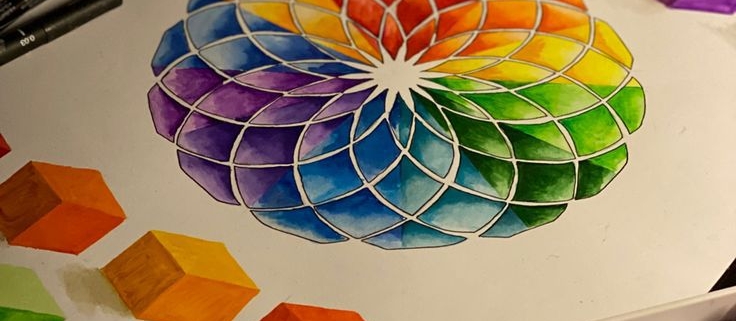
Don’t Wall Yourself In: How Paint Colors Secretly Influence Your Mood at Home
Have you ever walked into a room and felt instantly energized or strangely calm? It might not be magic – it could be the power of colour psychology at play! Our perception of colour goes beyond aesthetics; it can trigger emotional responses and even impact our behaviour. So, next time you’re picking up a paintbrush, consider how your colour choices can create mood-boosting interiors for your home.
The Science Behind the Hue: Color Psychology Explained
Colour psychology delves into the connection between colours and human emotions. It’s a fascinating field that’s been around for centuries, with artists and designers intuitively using colour to evoke specific feelings in their work. Modern research supports these observations, suggesting that certain colours can trigger physiological changes, influencing things like heart rate and blood pressure.
Chromotherapy: Colors for Wellness
Chromotherapy, also known as colour light therapy, takes colour psychology a step further. It uses specific colours of light to promote physical and emotional well-being. While painting your walls may not be the same as light therapy, understanding the principles of chromotherapy can inform your colour choices and create a more holistic environment in your home.
Painting a Palette of Emotions: Choosing Colors for Different Rooms
Now, let’s get practical! Here’s how to leverage colour psychology to create specific moods in your home:
- Living Room: For a space that buzzes with energy, consider warm colours like sunny yellow or invigorating orange. Just remember, a little goes a long way with these bold hues. A feature wall or pops of colour with throw pillows can do wonders.
- Bedroom: Craving a restful retreat? Look to cool and calming colours like serene blue or soft green. These colours can promote relaxation and help you unwind after a long day.
- Home Office: Need to boost focus and concentration? Crisp shades of white or light grey can create a clean and stimulating environment, perfect for productivity.
- Kitchen: Feeling uninspired while whipping up meals? Playful pops of yellow or light orange can add a burst of sunshine and creativity to your culinary space.
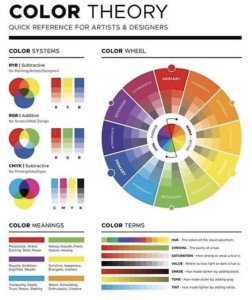 Beyond the Basics: Shades and Accents
Remember, colour psychology is just one piece of the puzzle. Don’t be afraid to experiment with different shades and tones within a colour family. For instance, a pale lavender can create a calming atmosphere in your bedroom, while a richer eggplant hue might evoke a sense of luxury and sophistication in your living room. Additionally, consider the power of accent colours. Throw pillows, artwork, and rugs can add pops of colour and personality to your space, further influencing the overall mood.
Crafting a Mood Board for Your Next Project
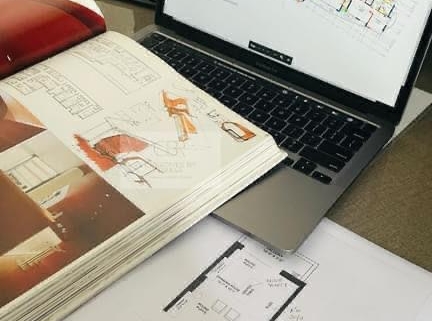
The next time you’re planning a home makeover, consider creating a mood board that incorporates colour psychology. Look for images of rooms that evoke the feeling you’re going for, and pay attention to the dominant colours used. This can be a fantastic way to visualize your ideal space and ensure your colour choices create the perfect emotional ambience.
So, unleash your inner interior designer and harness the power of colour! With a little creativity and knowledge of colour psychology, you can transform your home into a haven of positive emotions. Let your walls reflect how you want to feel!
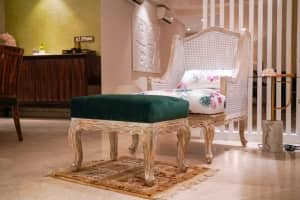 Cultivating Creativity: Instead of relying solely on AI-generated suggestions, I actively nurture my creativity through continuous exploration and experimentation. Whether it’s seeking inspiration from nature, art, or diverse cultural influences, I constantly challenge myself to think outside the box and push the boundaries of conventional design.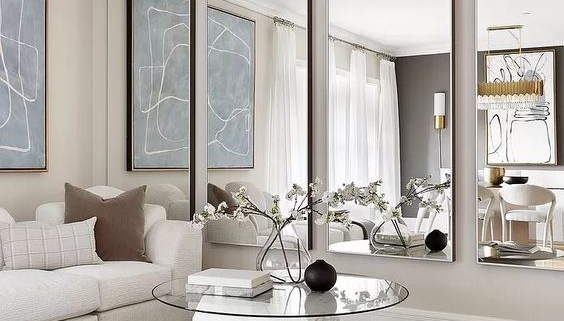
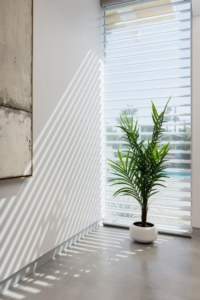 Ignoring Natural Light: Natural light can drastically affect the ambience and mood of a space. One of the most common mistakes homeowners make is not considering natural light during the design process. Make sure to strategically place windows and skylights to maximize sunlight throughout your home.
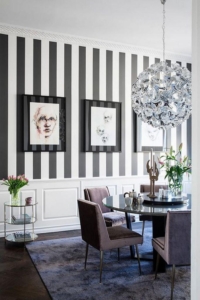 Sacrificing Comfort for Style: While it’s essential to create a stylish home, comfort should never be compromised. Opt for furniture and materials that not only look good but also feel comfortable and inviting. Strike a balance between style and comfort to create a space that you’ll love to live in.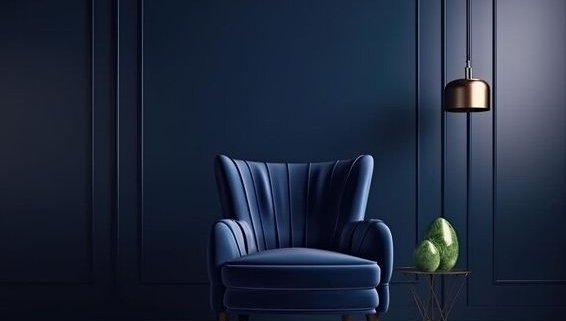
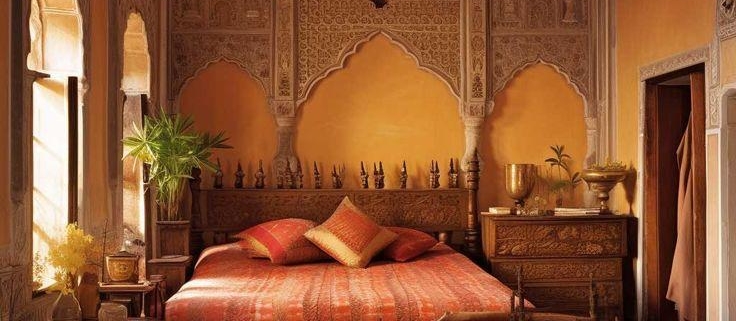
 1. Burst of Colors:
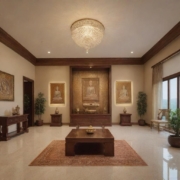 4. Spiritual Touch:
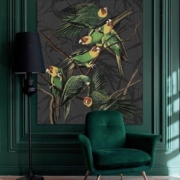 Color Trends: Say goodbye to the muted tones of the past, and hello to bold and beautiful hues! Emerald green and night blues take centre stage, injecting energy and sophistication into your space. Keep an eye out for Pantone’s Color of the Year – Peach Fuzz – a warm and inviting shade that adds a touch of playfulness to any room. Pastels are also making a comeback, offering a softer alternative for those who prefer a more subtle palette.
 Accessories: Elevate your space with curated accessories that tell a story. Vintage pieces, artisanal creations, and heirlooms add character and charm. Embrace the uniqueness of each item, creating a space that reflects your style and experiences.
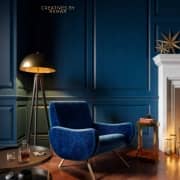 Furniture: Say goodbye to cookie-cutter designs and hello to custom-made furniture that fits your space perfectly. Embrace curvy shapes and dark colours to add a touch of drama and sophistication. Your furniture should be an extension of your personality, so don’t be afraid to mix and match styles for a truly unique look.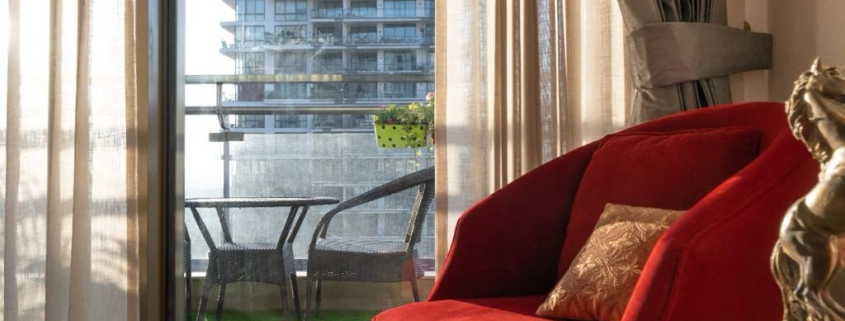
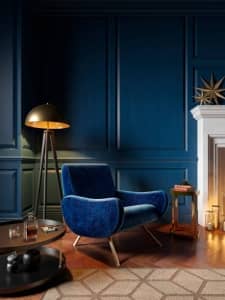 Mystic Midnight Blues:
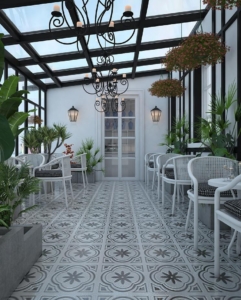 Embracing Biophilic Bliss: The Rise of Nature-Inspired Interiors