
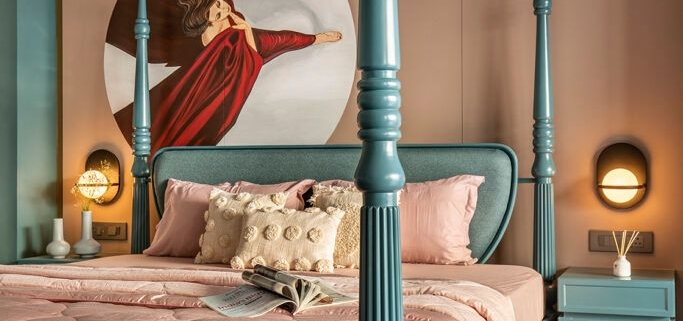
Beyond The Basics: Finding Balance with Minimalist-Maximalist Fusion
Minimalism and maximalism. Two design philosophies are seemingly at war. One craves clean lines and empty spaces, and the other revels in colour, pattern, and a curated explosion of personality. But what if you crave elements of both? Can you bridge the gap and create a space that’s both serene and stimulating?
The answer is a resounding yes! Enter the world of minimalist-maximalist fusion, a design trend that celebrates the best of both worlds. Here’s how to achieve this harmonious balance in your interior design:
Embrace the Power of Layout:
- Minimalist Foundation: Start with a minimalist base. Think clean lines, open floor plans, and uncluttered furniture arrangements. This creates a sense of spaciousness and calm, the perfect canvas for your maximalist touches.
- Maximalist Moments: Once you have the base, designate specific areas for maximalist expression. Maybe it’s a statement accent wall in the living room or a curated gallery display in the hallway. By creating dedicated zones for maximalist flourishes, you avoid visual overload.
Play with Proportion:
- Minimalist Furniture: Opt for furniture with simple lines and neutral tones in the main living areas. This doesn’t mean boring! Choose pieces with interesting textures or subtle details to add visual interest without cluttering the space.
- Maximalist Accents: Introduce maximalist elements through statement pieces. It could be a bold rug that grounds the living room, a sculptural lamp that adds a touch of whimsy, or a vintage sideboard overflowing with personality.
Colour with Care:
- Minimalist Palette: As a base, choose a minimalist colour palette for walls and floors. Think whites, greys, or earthy tones. This creates a sense of cohesion and allows your maximalist accents to pop.
- Maximalist Pops: Introduce pops of colour through your curated maximalist zones. Maybe it’s a vibrant artwork, a collection of colourful throw pillows, or a unique patterned rug. Just remember, keep the maximalist colour palette limited to avoid overwhelming the eye.
Think “Japandi”:
For design inspiration, look to the emerging trend of “Japandi.” This style beautifully blends Japanese minimalism with Scandinavian warmth. It achieves this balance through:
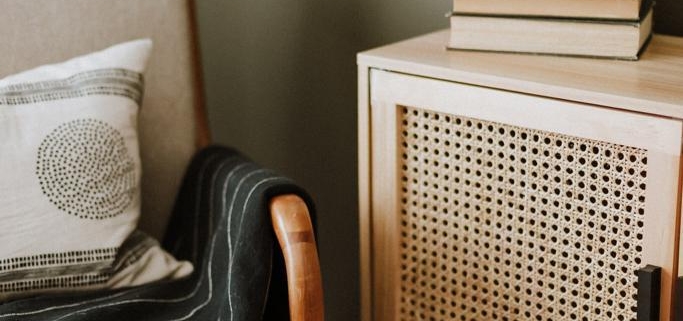
- Natural Materials: Both Japanese and Scandinavian design emphasize natural materials like wood, stone, and woven textures. These elements add warmth and texture to a minimalist space.
- Functional Beauty: Both styles prioritize functionality. Furniture should be well-crafted and serve a purpose, even as it adds a touch of minimalist elegance.
Remember, the key to a successful minimalist-maximalist fusion is balance. By carefully considering layout, proportion, colour, and drawing inspiration from styles like Japandi, you can create a home that reflects your unique personality while maintaining a sense of calm and order. So, don’t be afraid to experiment and find the perfect harmony between clean lines and curated chaos!
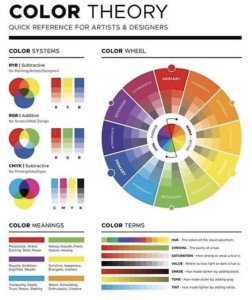 Beyond the Basics: Shades and Accents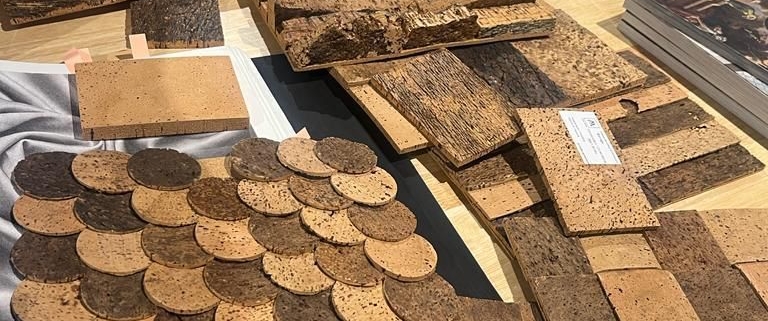
 Cultivating Creativity: Instead of relying solely on AI-generated suggestions, I actively nurture my creativity through continuous exploration and experimentation. Whether it’s seeking inspiration from nature, art, or diverse cultural influences, I constantly challenge myself to think outside the box and push the boundaries of conventional design.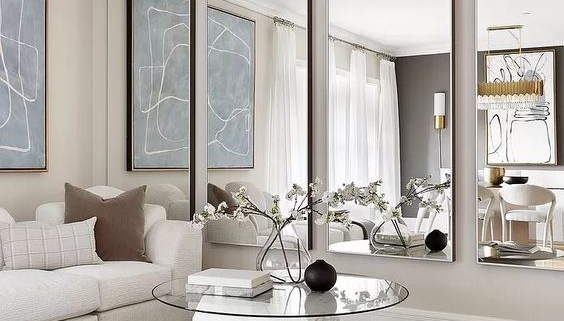
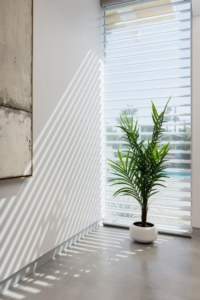 Ignoring Natural Light: Natural light can drastically affect the ambience and mood of a space. One of the most common mistakes homeowners make is not considering natural light during the design process. Make sure to strategically place windows and skylights to maximize sunlight throughout your home.
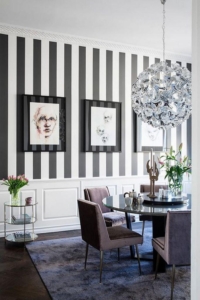 Sacrificing Comfort for Style: While it’s essential to create a stylish home, comfort should never be compromised. Opt for furniture and materials that not only look good but also feel comfortable and inviting. Strike a balance between style and comfort to create a space that you’ll love to live in.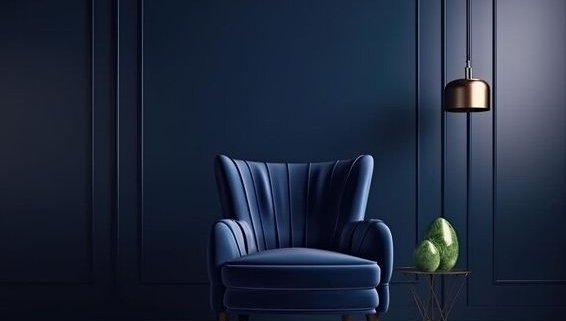
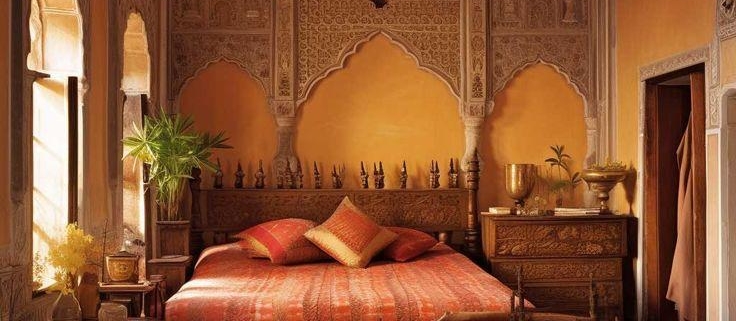
 1. Burst of Colors:
 4. Spiritual Touch: